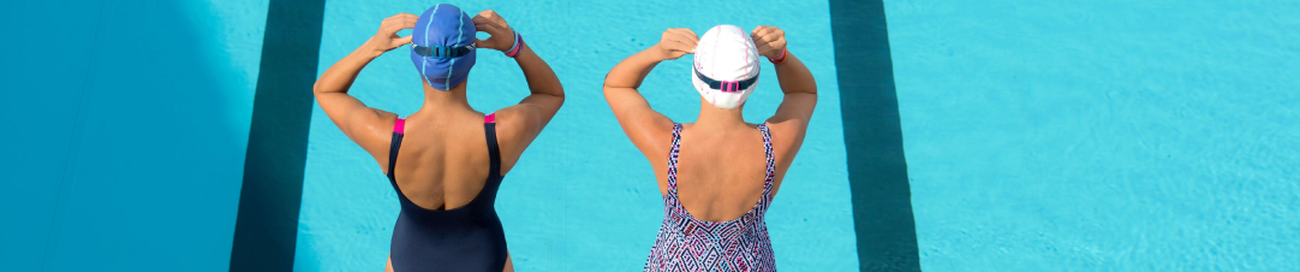
Beginner Swim Workouts for Fitness: What to Do in the Pool Based on the Gear You Have
Starting a swim fitness routine sounds simple: buy swimwear, get goggles, go to the pool, and swim. But for many beginners, the difficult part starts after once they are in the water.
They may swim one lap, feel tired quickly, rest for a long time, and then wonder whether that's all they need to do. Some beginners are comfortable in the pool but suffer from lack of stamina. Others are pros at land activities, but struggle breathing in water. Many also own useful swimming accessories, like kickboards or swim caps, but aren't sure on how they can use their equipment to support their workouts.
This guide is here to support you for that exact moment. Instead of sharing one generic swim plan for everyone, these guidelines aim to match beginner swim workouts based on one's comfort level, goals, time, and the swimming gear at hand.
Use it as a practical starting point for your next swim session. Start with the workout that sounds closest to your real situation, then slowly build resilience, confidence, and control.
The Beginner Swim Gear-to-Workout Map
Swimming gear shouldn't sit unused in a bag. Each item has a practical role, especially for beginners who are looking to build confidence and comfort, before they can focus on speed or distance. Refer to this table to match the gear you have with the type of pool workout it could potentially support best with.
| If You Have | Consider This Workout Type | Why It's Beneficial |
|---|---|---|
| Swimwear only | Easy lap swim or pool walking | Best for getting started with simple movement and water confidence. |
| Goggles | Freestyle and breathing workouts | Helps you keep your face in the water without eye irritation, which makes breathing practice easier. |
| Swim cap | Longer swim sessions | Keeps hair away from the face and reduces distractions during repeated laps. |
| Kickboard | Leg strength and kicking drills | Lets you focus on lower-body movement without worrying about arm technique. |
| Swim fins | Technique and leg power workout | Helps beginners feel movement through the water more clearly and build kicking confidence. |
| Quick-dry towel or poncho towel | Regular pool routine | Makes changing and drying easier, especially for quick sessions before or after work. |
| Waterproof bag | Pool-to-home routine | Keeps wet clothes, towels, and accessories separate after training. |
Before You Start: Choose Your Beginner Swim Level
| Level | Pain Point | Method of Focus |
|---|---|---|
| Level 1: Water-comfort beginner | You are comfortable entering the pool, but you cannot swim many laps yet. | Short swims, rest breaks, floating, walking, and confidence. |
| Level 2: Lap beginner | You can swim 25m, but you get tired quickly. | Breathing control, short repeated laps, and recovery swims. |
| Level 3: Fitness beginner | You can swim a few laps and want a proper workout. | Structured sessions, steady pace, and simple intervals. |
| Level 4: Returning swimmer | You used to swim but have not trained for a while. | Ease back into distance without pushing too hard too soon. |
If you are unsure, start one level lower than you think. A workout you can repeat calmly is better than a workout that makes you stop after one session.
Workout 1: Confidence Workout for Those Who Tire After 1 Lap
Best for: beginners who can swim a short distance but lose energy quickly.
Gear needed: swimwear, goggles, and swim cap (optional).
| Workout Structure | Benefits |
|---|---|
|
|
A comfortable pair of goggles can make this workout easier as beginners usually stop early when water enters the eyes. Swimwear that fits securely also supports movement without adjusting clothes in between laps.
Workout 2: Low-Impact Cardio Workout Pool Fitness Plan
Best for: people who want cardio without the impact of running, jumping, or high-intensity gym workouts.
Gear needed: swimwear, goggles, towel, and swim cap (optional).
| Workout Structure | Benefits |
|---|---|
|
|
Workout 3: Workout Plan with Swimming Equipment
Best for: beginners who already own a kickboard or want to use one properly.
Gear needed: kickboard, goggles, and swimwear.
| Workout Structure | Benefits |
|---|---|
|
|
Workout 4: Swim Workout for Time Constrained Situations
Best for: busy beginners who want a short pool session before work, after work, or during a weekend break.
Gear needed: swimwear, goggles, quick-dry towel, and swim bag.
| Workout Structure | Benefits |
|---|---|
|
|
Workout 5: Full Body-Toning Beginner Workout
Best for: people who want swimming to support overall body toning and general fitness.
Gear needed: swimwear, goggles, kickboard (optional), and towel.
| Workout Structure | Benefits |
|---|---|
|
|
Common Beginner Mistakes We See in Swim Fitness Content
Many beginner swim articles make swimming sound too simple: just get in the pool and swim laps. That misses the real problems beginners face. Here are the mistakes this guide is trying to avoid.
| Common Mistake | Why It Matters |
|---|---|
| Mistake 1: Treating all beginners the same | Some beginners are comfortable in the water but lack stamina. Others are physically fit but nervous when their face is in the water. A useful swim workout should account for both. |
| Mistake 2: Starting with distance instead of control | A beginner does not need to start with a 1,000m swim. The first goal is to finish a short session calmly, with enough energy to come back and repeat it. |
| Mistake 3: Ignoring gear comfort | Poorly fitting goggles, uncomfortable swimwear, or not having a towel ready can make a simple pool workout feel irritating. For beginners, comfort is part of consistency. |
| Mistake 4: Not using training accessories properly | A kickboard is not only for children. It is useful for adults who want to build leg strength and confidence without managing the whole swim stroke at once. |
| Mistake 5: Turning every swim into a test | Beginners do not need to measure every session by speed. A good early sign of progress is feeling calmer, needing shorter rest breaks, or finishing the same workout with better control. |
Beginner Swim Workout FAQs
What swimming gear does a beginner need for fitness workouts?
A beginner can start with swimwear, goggles, and a swim towel. Additional accessories like swim cap, kickboard, or fins can be added once swimming becomes more regular.
What is the best beginner swim workout for fitness?
The best potential beginner swim workout is one that combines short laps, rest breaks, and easy recovery style swimming. A 20-30 minutes session is good enough to start with.
Can swimming help support with weight loss?
Swimming is a good weight loss activity as it keeps the body moving and works multiple groups of muscles. It works best when done regularly along with a balanced and moderately healthy lifestyle.
Is a kickboard useful for beginner swimmers?
Yes. A kickboard supports beginners in maintaining focus on leg movements, body position, and confidence in water without having to manage the full stroke, all at the same time.
How often should beginners swim for fitness?
Beginners can start with 2 to 3 swim sessions per week, with rest days between sessions. This gives the body time to recover and adapt. You can increase the number of sessions and duration as you gain more confidence and strength.
How long should a beginner swim workout be?
Most beginners can start with 20 to 30 minutes which includes rest breaks. The goal is to finish the session with control, and not to swim continuously from the beginning, which will end up tiring you out faster.