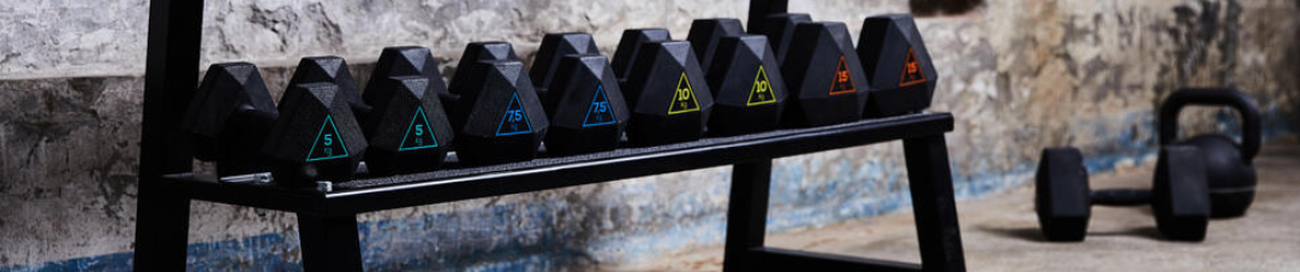
Choosing The Right Home & Gym Dumbbells
Dumbbells are one of the easiest ways to build a practical home or gym routine, but choosing the right weight can feel confusing at first. A weight that feels perfect for shoulder raises may be far too light for squats, while a dumbbell that works well for rows may be too heavy for controlled arm work. That is why the right dumbbell weight depends on the exercise, your current strength level, and how well you can move with good form.
This guide has been refined to feel more useful and natural for readers: instead of treating one exercise as the only option for each dumbbell weight, it uses each weight as a practical starting point and pairs it with an exercise that suits that load well.
Quick note: The best dumbbell weight feels challenging while still letting you stay in control. If you have to swing, twist, shrug, or rush the reps, the weight is probably too heavy for that exercise.
How to Choose Dumbbell Weights
Dumbbell Weight-by-Weight Exercise Guide
1kg Dumbbells
.png?sw=1300&sm=fit)
1kg dumbbells are ideal for warm-ups, shoulder activation, and light movement. It’s not too heavy, so it allows you to move your arms in a controlled way without putting too much pressure on the shoulders.
How to exercise: Hold one dumbbell in each hand, extend your arms out to the sides, and make small circles. You can do forward circles first, followed by reverse circles.
Benefits:
2kg Dumbbells
.png?sw=1300&sm=fit)
2kg dumbbells work well for lateral raises as the shoulder muscles are smaller and need controlled movement. Using a very heavy weight for this exercise can make you swing your body, which reduces the effectiveness.
How to exercise: Stand tall with one dumbbell in each hand. Raise your arms out to the sides until they reach shoulder level, then slowly lower them back down.
Benefits:
3kg Dumbbells
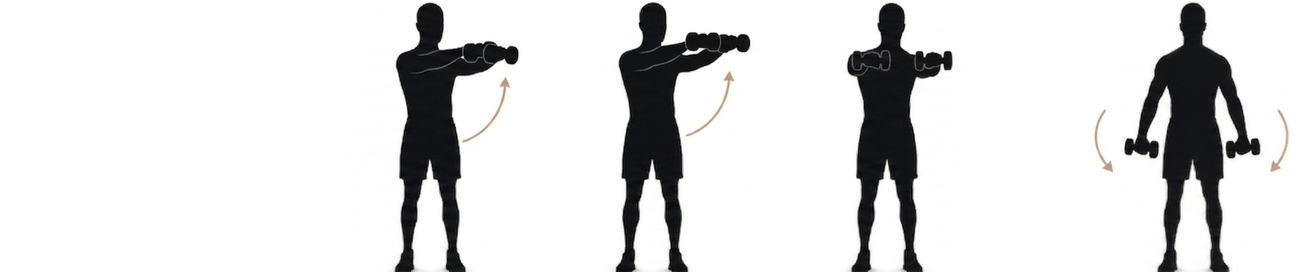
3kg dumbbells are suitable for front raises because they add enough resistance without making the movement too difficult. This exercise mainly works the front part of the shoulders.
How to exercise: Hold one dumbbell in each hand in front of your thighs. Raise your arms straight in front of you until shoulder height, then lower them slowly.
Benefits:
4kg Dumbbells
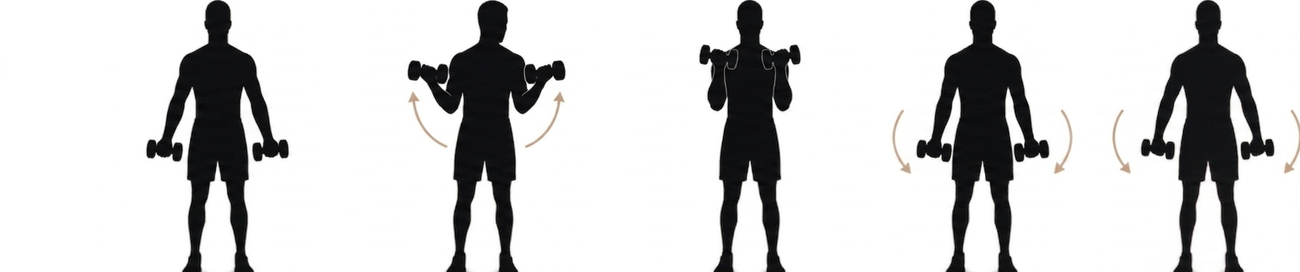
4kg dumbbells are a good starting weight for bicep curls, especially for beginners. This weight allows you to focus on squeezing the biceps without swinging the arms.
How to exercise: Hold one dumbbell in each hand with your palms facing forward. Keep your elbows close to your body and curl the dumbbells up towards your shoulders. Lower them slowly.
Benefits:
5kg Dumbbells
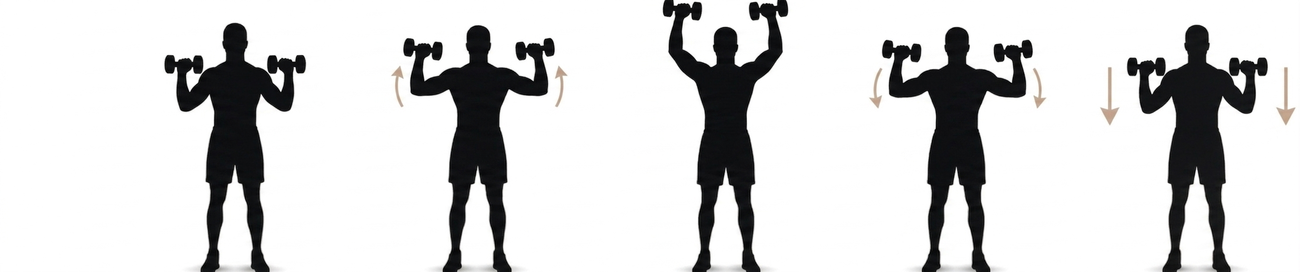
5kg dumbbells are good for shoulder presses as they add enough resistance while still allowing proper control. This exercise works the shoulders, arms, and upper body.
How to exercise: Hold one dumbbell in each hand at shoulder level. Press the dumbbells above your head, then slowly bring them back down.
Benefits:
Which Weights Should You Choose?
Best Dumbbell Weights for Home Beginners
For home workouts, you do not need every dumbbell weight. A few smart choices are enough to do a full-body routine. A good beginner setup can include:
This setup gives you enough variety without taking up too much space at home.
Best Dumbbell Weights for Gym Users
In the gym, you have access to a wider range of dumbbells, which makes it easier to pick the correct weight for each exercise. The main benefit of gym dumbbells is progression. As you get stronger, you can move up gradually instead of jumping to a much heavier weight too soon.